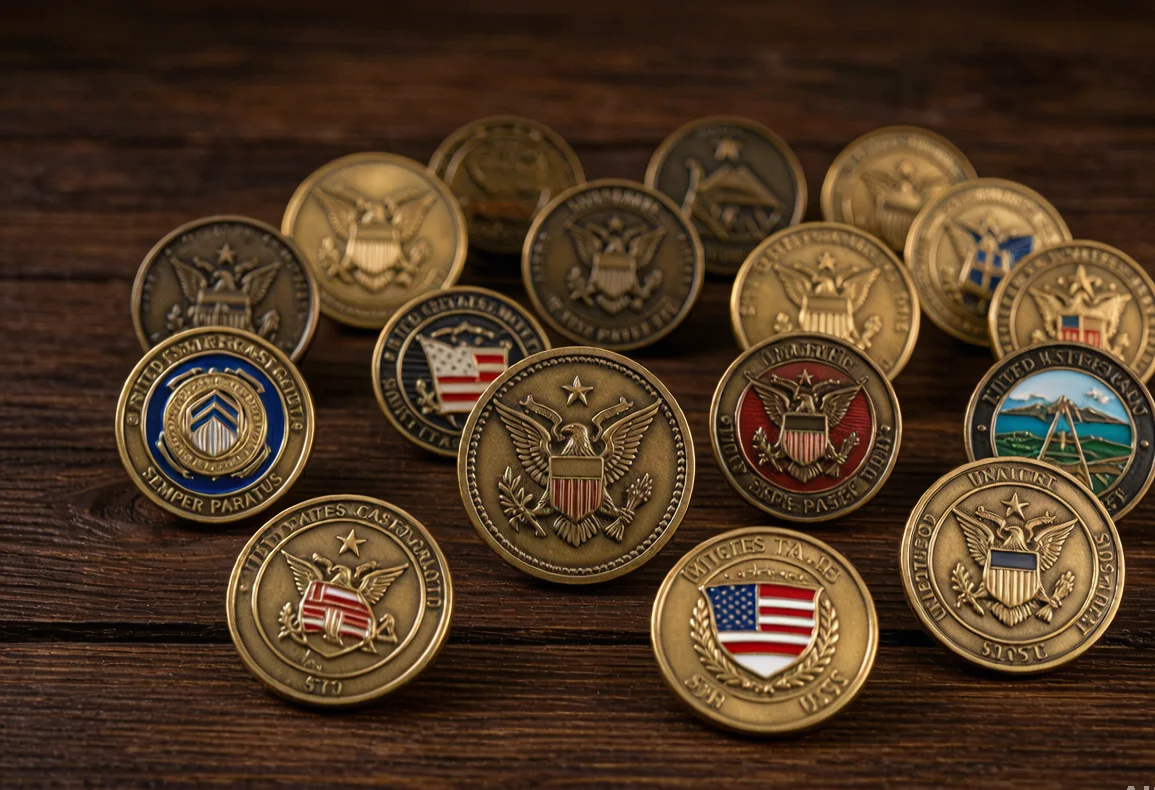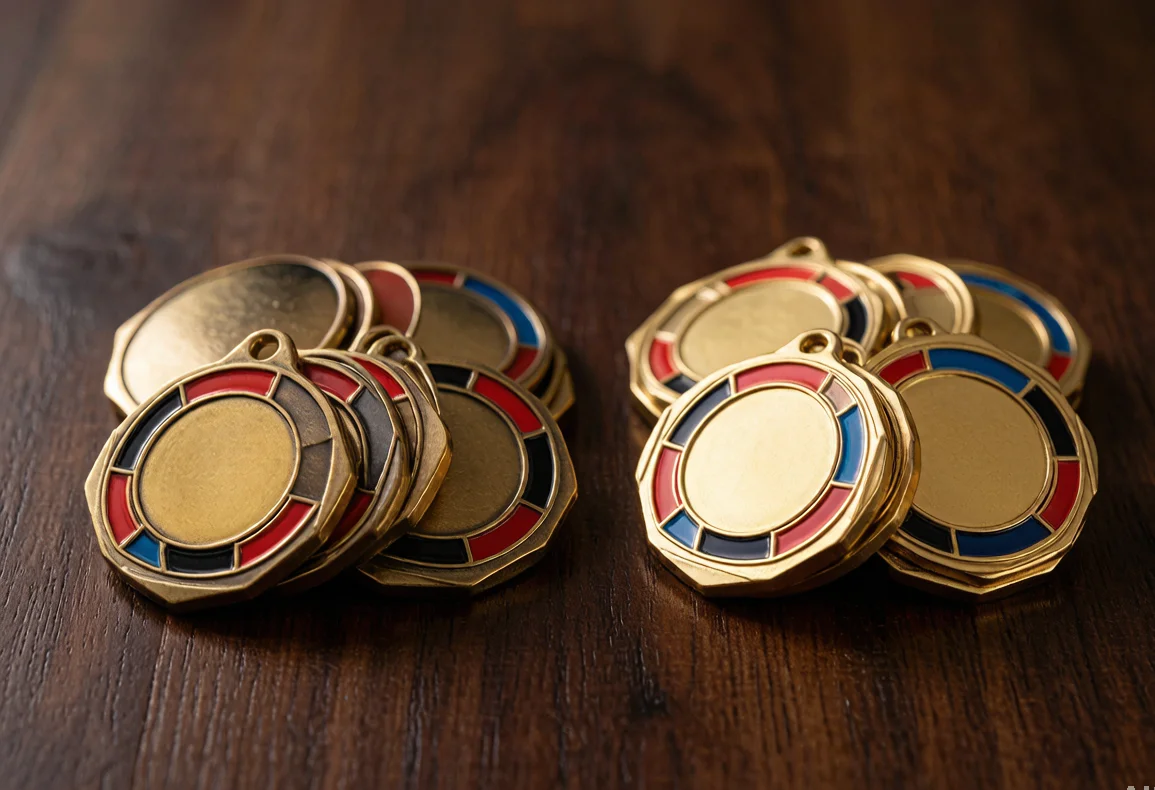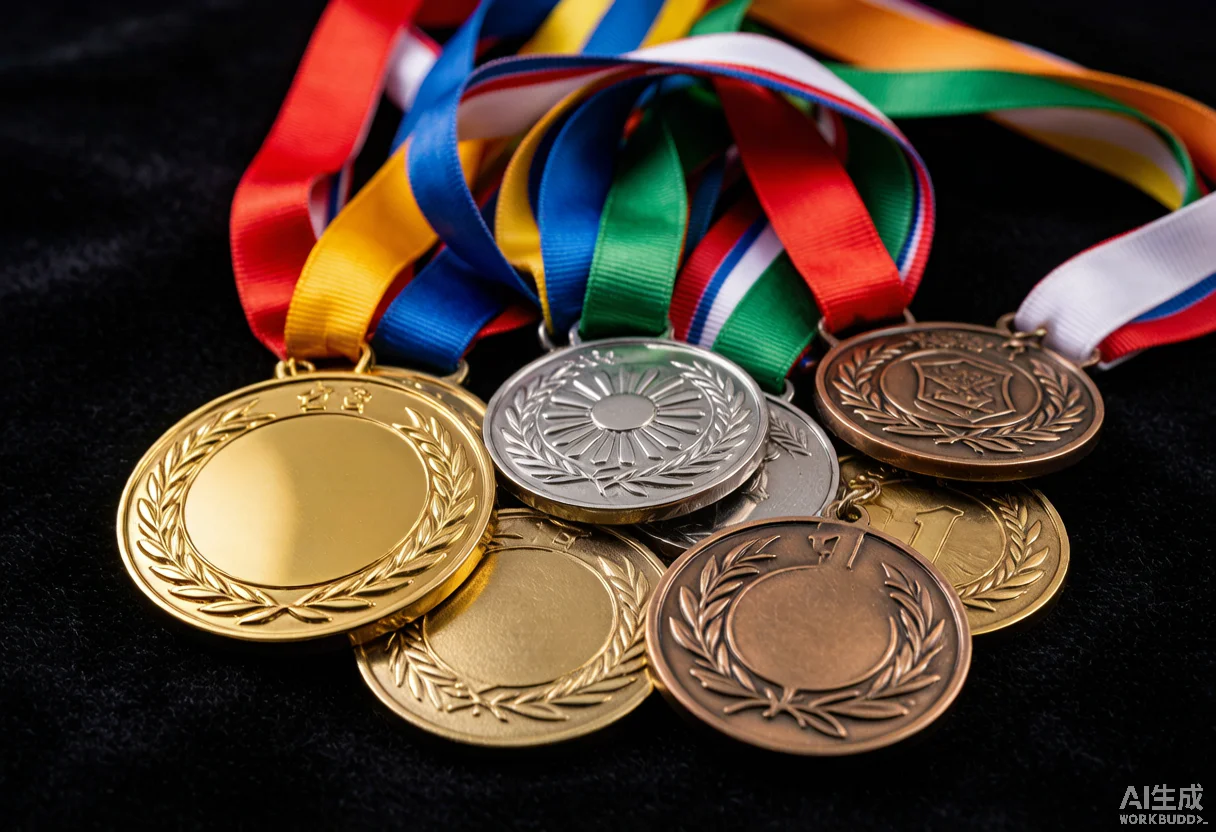
Every year, thousands of sports events worldwide require custom medals — from local school tournaments to international marathons with tens of thousands of participants. For procurement professionals and event organizers, selecting the right manufacturing partner is not simply about comparing unit prices. The decision affects athlete satisfaction, brand perception, delivery timelines, and the overall success of the event.
A poorly manufactured medal with peeling plating, uneven enamel, or incorrect dimensions reflects directly on your organization. A professionally crafted medal, on the other hand, becomes a lasting symbol of achievement that recipients display for years.
This guide walks you through the complete procurement framework for custom sports medals, from technical specifications to supplier evaluation, helping you make informed decisions that protect your budget and your reputation.
Understanding Medal Types
Sports medals fall into three main categories. Understanding these helps you communicate requirements clearly to manufacturers.
Participation Medals — Produced in larger quantities for events where all participants receive recognition. Common in marathons, charity runs, and school sports days. Typical specs: 50–70mm diameter, 3–5mm thickness, zinc alloy, soft enamel.
Placement Medals (Gold, Silver, Bronze) — Awarded to top finishers, requiring higher perceived value with larger sizes and premium plating. Typical specs: 60–80mm diameter, 4–6mm thickness, brass or zinc alloy, hard enamel finish.
Commemorative Medals — Event anniversary or limited-edition pieces with the highest budget per unit and superior craftsmanship. Typical specs: 70–100mm diameter, 5–8mm thickness, premium materials, deep engraving.
Material Selection
The choice of metal base material directly affects appearance, durability, weight, and cost.
Zinc Alloy
Zinc alloy (Zamak 3 or Zamak 5) is the most widely used material. It offers excellent detail reproduction, surface finish, and cost efficiency. A standard 65mm zinc alloy medal weighs 35–45g. The die casting process allows intricate 3D details with tight tolerances.
Brass
Brass medals offer a premium feel with noticeably higher weight. The natural gold-like color means less plating required. Approximately 25–30% heavier than zinc alloy equivalents and 40–60% more per unit. Preferred for premium award ceremonies and high-end events.
Iron
The most economical option for basic aesthetic requirements. Iron medals require a copper-nickel under-layer before final plating to ensure adhesion and corrosion resistance.
Manufacturing: Die Casting
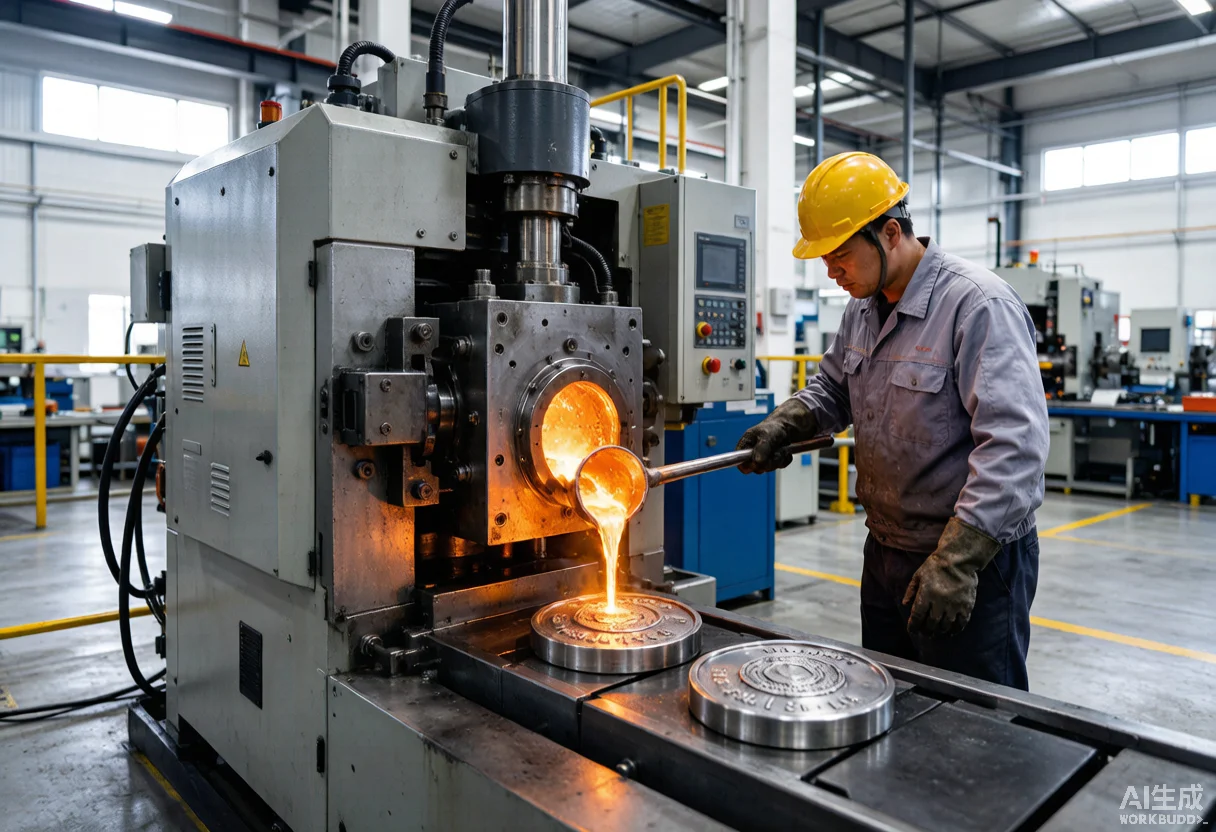
Die casting is the dominant method for sports medals. Molten zinc alloy is injected under high pressure into a precision steel mold. The process:
- Mold design and CNC machining (7–10 days)
- Mold trial and sample production (2–3 days)
- Production casting (3,000–5,000 units per day per mold)
- Trimming, deburring, and surface preparation
Mold cost: $200–$500 (one-time). High-quality molds produce 50,000–100,000 units before refurbishment.
Enamel Coloring Options
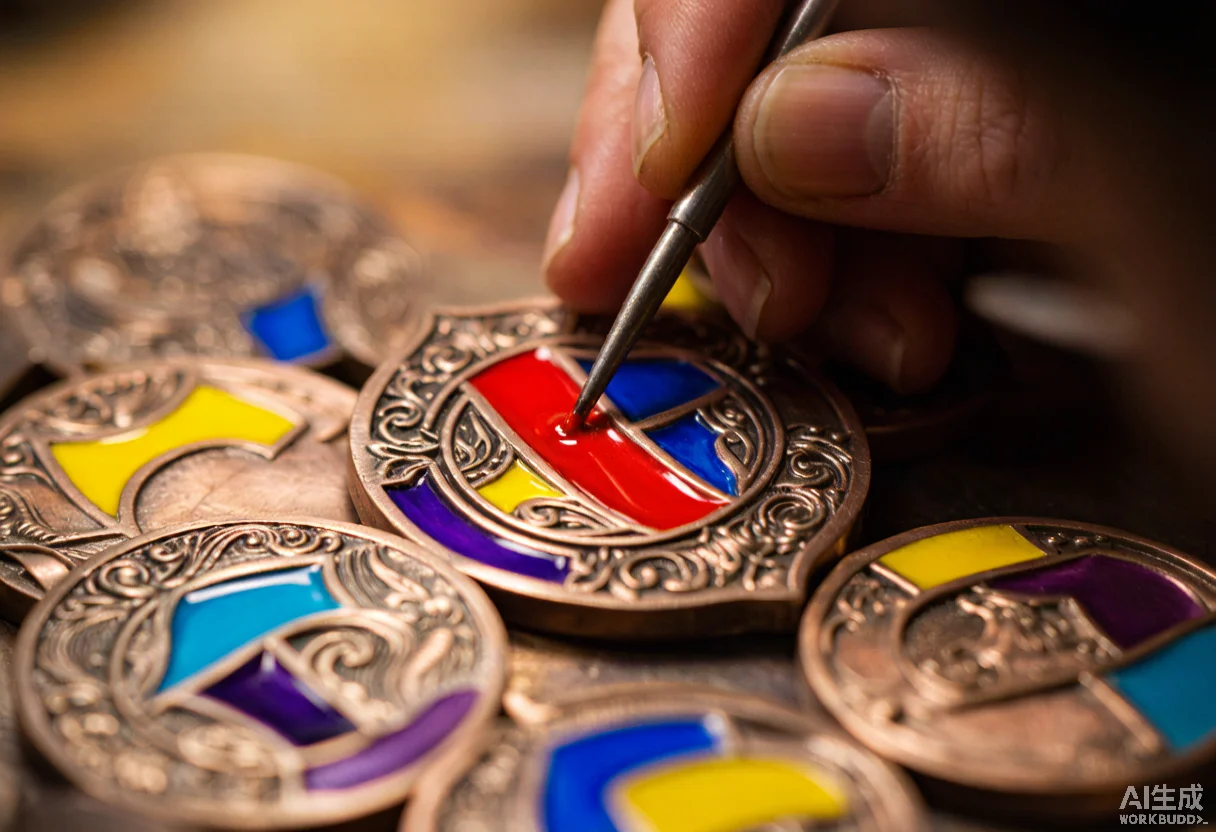
Soft Enamel — Textured finish where metal ridges separate colored areas. Best for most sports medals and participation awards.
Hard Enamel (Cloisonné) — Multiple filling and baking cycles followed by stone-polishing creates a completely flat surface. Adds 3–5 production days. Best for premium awards.
Imitation Hard Enamel — Soft enamel with clear epoxy coating polished flat. Achieves premium look at lower cost and faster turnaround.
Plating and Surface Finishing
- Gold plating (24K/18K): Championship medals, 0.5–3 microns thickness
- Silver plating: Classic finish with anti-tarnish coating
- Nickel plating: Cost-effective with good durability
- Antique bronze/copper: Commemorative pieces via oxidation
- Dual-tone plating: Two finishes combined for contrast
Quality Control
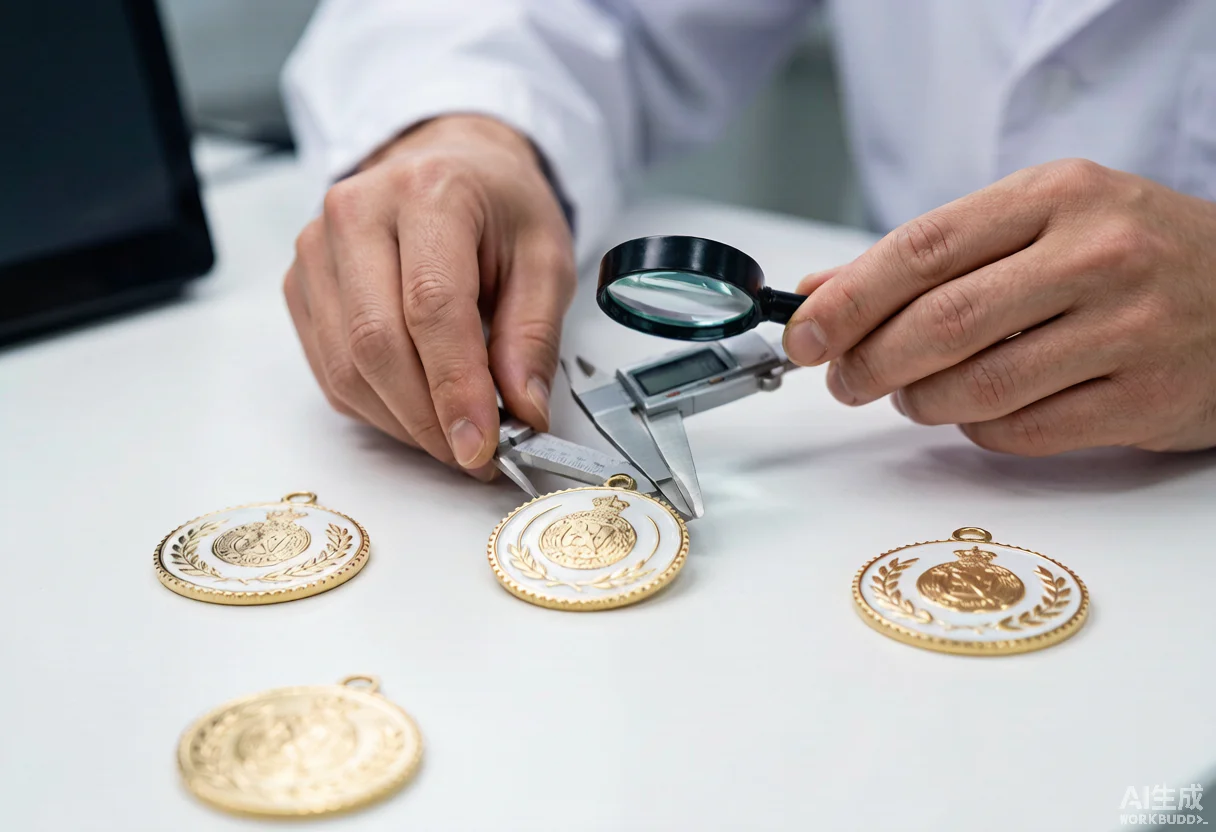
Professional manufacturers document QC at three stages:
Incoming Material — Alloy composition, plating solution analysis, enamel color testing
In-Process — Dimensional checks every 500 units, plating thickness, visual inspection
Final (AQL Sampling) — AQL 2.5 or 1.5 per ANSI/ASQ Z1.4 covering dimensions, plating uniformity, enamel fill, color accuracy, ribbon strength, and packaging
Production Timeline
| Stage | Duration |
|---|---|
| Design confirmation & mold development | 7–10 days |
| Sample production & approval | 3–5 days |
| Mass production (5,000 units) | 10–15 days |
| Quality inspection | 1–2 days |
| Packaging | 2–3 days |
| Air freight shipping | 5–7 days |
| Total lead time | 28–42 days |
Urgent orders can be accelerated to 15–20 days with a 15–25% premium.
Evaluating a Manufacturer
Verify production capability — Request factory photos of die casting machines, polishing stations, and QC areas. Ask about daily capacity for your medal type.
Review certifications — ISO 9001 for quality management. REACH and RoHS compliance for European markets. Third-party testing (SGS, Bureau Veritas, Intertek).
Evaluate samples — Check: weight and dimensions, plating uniformity, enamel fill (no bubbles or cracks), edge finishing, ribbon attachment strength, overall visual impact.
Assess communication — Response time to inquiry, technical clarity, sample tracking, willingness to discuss production details.
Cost Factors
| Factor | Impact |
|---|---|
| Material (zinc vs. brass vs. iron) | 30–60% variance |
| Size and weight | Linear increase |
| Enamel colors count | Additional labor per color |
| Enamel type (soft vs. hard) | 20–40% for hard |
| Plating type | 10–50% variance |
| Order quantity | Higher volume = lower unit cost |
| Packaging (bulk vs. boxes) | 15–30% |
| Shipping method | Significant difference |
Procurement Pitfalls
Skip the sample? Never. Digital images cannot convey weight, finish quality, or tactile details. Always order production samples before committing to bulk. Budget $30–50 for sample and courier.
Tight timeline? Many first-time buyers underestimate lead time. Include buffer days for design revisions, sample approval, and customs clearance. 45 days is safer than 30.
Wrong artwork format? Provide vector files (AI, EPS, CDR) — not raster images. Specify Pantone color codes. Mark plating vs. enamel areas clearly.
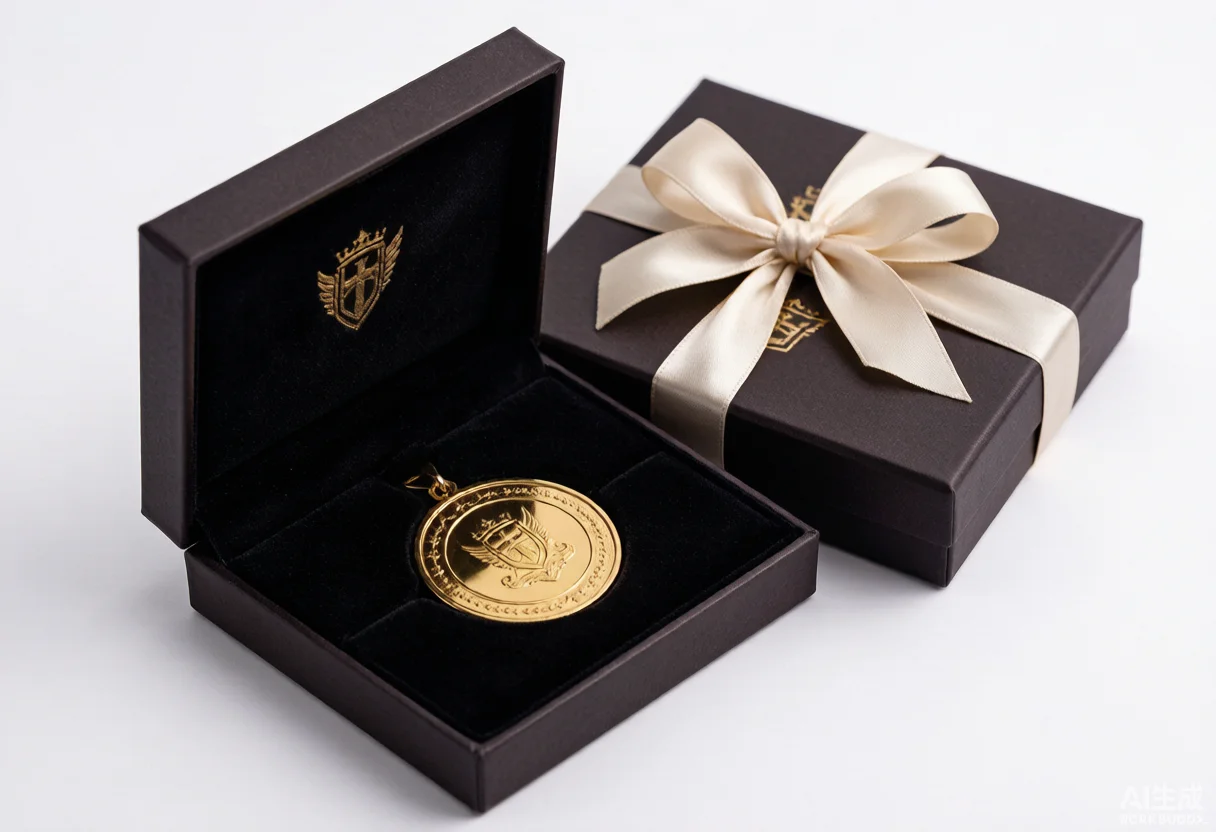
Ignore packaging? Individual velvet boxes add significant recipient value for placement medals. Bulk packaging with foam separation works for participation medals.
Skip import checks? Different countries have varying duties, labeling rules, and material restrictions. Verify nickel content limits for markets with strict consumer safety standards.
Step-by-Step Procurement
- Design Preparation — Vector artwork with Pantone color codes
- Supplier Shortlisting — Contact 3–5 manufacturers with specifications
- Quotation Comparison — Total cost, not just unit price
- Sample Order — Production samples from 2–3 suppliers
- Sample Evaluation — Side-by-side comparison
- Production Order — Agreed timeline and QC requirements
- In-Process Monitoring — Photos at key stages
- Pre-Shipment Inspection — Third-party or detailed QC review
- Payment & Shipping — Typical: 30% deposit, 70% before shipment
FAQ
What is the minimum order quantity for custom sports medals?
Most manufacturers require 100–300 pieces per design. Some accept 50–100 units with a setup surcharge. Below 50 units, consider stock medals with custom ribbons.
How much does a custom sports medal cost?
Zinc alloy medals with soft enamel: $0.50–$3.00 per piece at 1,000+ quantities. Brass adds 40–60%. Mold cost: $200–$500 (one-time per design).
How long does custom medal manufacturing take?
4–6 weeks: mold (7–10 days), samples (3–5 days), production (10–15 days for 5,000 units), inspection (1–2 days), packaging (2–3 days). Shipping additional.
Can I get a sample before bulk ordering?
Yes. Most manufacturers provide production samples for $30–50 including courier delivery. This step should never be skipped.
What file format should I provide?
Vector files only: Adobe Illustrator (.ai), CorelDRAW (.cdr), EPS. Specify Pantone colors for enamel areas. Mark plating vs. enamel zones.
Do manufacturers provide design assistance?
Many offer basic design refinement at no additional cost: converting sketches to vector artwork, adjusting for manufacturing feasibility.
What is the difference between 2D and 3D medal designs?
2D medals have raised/recessed areas at different levels. 3D medals have sculpted, coin-like contours with realistic depth. 3D molds cost 20–40% more.
How should medals be packaged?
Placement medals: individual velvet or satin-lined boxes. Participation medals: bulk with foam separation. Custom branded packaging: 500+ units.
Conclusion
Selecting a custom medal manufacturer for your sports event requires balancing technical specifications, quality standards, budget, and timeline. The most successful outcomes come from thorough upfront communication, physical sample evaluation, and understanding the manufacturing process.
If you are sourcing custom medals for an upcoming sports event, you can reach out with your design files or specifications. Our engineering team can provide a detailed feasibility review, material recommendations, and a production timeline estimate at no cost.